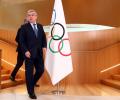
The delayed Games presents a massive headache to reorganise logistics, funding and sponsorship.

The Tokyo Olympics next July will be a "uniquely risky" event, demanding flexibility from organisers amid the uncertainty of the coronavirus pandemic, particularly if a vaccine has not been rolled out by then, medical experts say. Japan and the International Olympic Committee made the unprecedented decision last month to delay the Games for a year, as the world battles the virus that has infected 2.3 million people and killed more than 150,000 globally. But questions persist whether the Games can go ahead 15 months from now, as a vaccine could still be at least a year away, according to the most optimistic estimates.

Stefanos Tsitsipas enjoyed an incident-free path into the third round of the French Open with a win over Roberto Carballes Baena.

Sources told Reuters that Japan has decided to stage the Games without spectators from abroad due to concerns over the spread of COVID-19.

Boxing and weightlifting federations were given 18 months time to set their house in order to be considered for the 2028 Games.
